
Uncategorized
Electric Skateboard vs E-Bike for Commuting in London: Cost, Time & Practicality Compared
Apr
1. The Rise of Electric Commuting in London
Commuting in London has turned into a bit of a daily endurance test. Trains are packed, fares keep creeping up, and delays somehow happen even when everything looks fine. Because of that, more people are switching to electric skateboards and e-bikes as a way to take back some control over their journey.
Both options let you skip the worst parts of public transport and move through the city on your own terms. They also come with very different trade-offs. Some are practical, some are financial, and some only become obvious after a week of using them in real life.
2. Upfront and Ongoing Costs
Electric skateboards are usually the cheaper way to get started. A decent model can cost a few hundred pounds, while higher-end versions still tend to stay below the price of many commuter e-bikes. That makes them appealing if you want something effective without spending too much upfront.
E-bikes are more of an investment. You are paying for a larger machine with more components, which naturally pushes the price higher. Over time, they also need more maintenance. Brakes wear down, chains need attention, and servicing becomes part of ownership.
Charging costs for both are low enough that you will barely notice them. The real difference shows over time, where e-bikes tend to cost more to maintain, while skateboards stay relatively simple and cheaper to run.
3. Commute Time in Real London Conditions
In theory, both options are fast enough for city travel. In practice, commuting in London depends more on the environment than top speed.
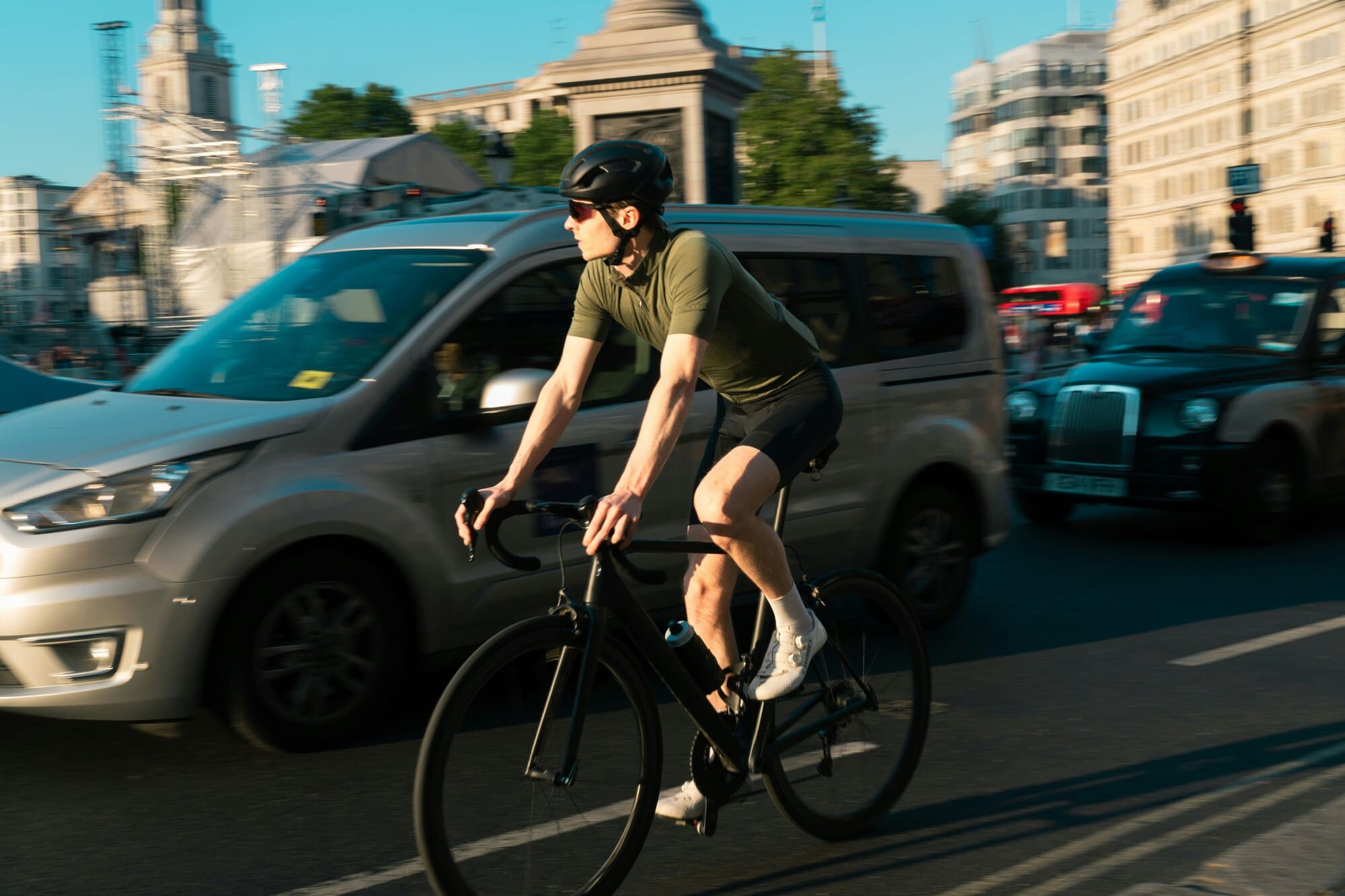
E-bikes have a clear advantage because they fit neatly into existing cycling infrastructure. You can use cycle lanes, handle traffic more smoothly, and maintain a steady pace even during busy periods. This makes them more reliable for longer or more complex routes.
Electric skateboards can be quick and enjoyable over shorter distances, especially on smoother roads. The experience changes once you deal with rough surfaces, frequent stops, or crowded areas, where progress becomes less consistent.
4. Portability and Storage
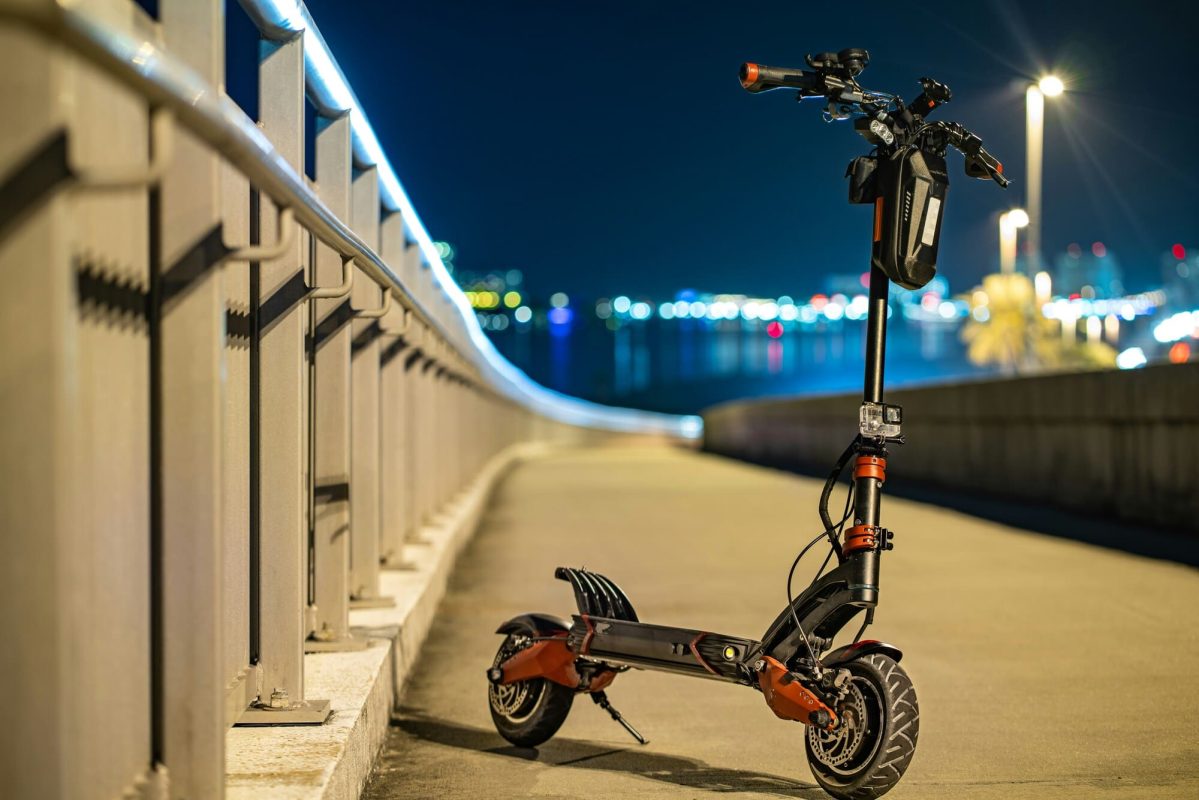
Portability is one of the biggest strengths of electric skateboards. They are compact, easy to carry, and simple to store. This matters a lot if you live in a small flat or need to bring your transport into the office.
E-bikes take up more space and require proper storage. Even foldable models are not especially light, and carrying them up stairs can quickly become tiring. If your commute involves multiple stages or limited storage, this can become a daily inconvenience.
For people who value flexibility and convenience, the skateboard often fits more naturally into city life.
5. Safety and Learning Curve
E-bikes feel familiar from the start, which makes them easier to use for most people. They offer better stability, stronger braking, and more confidence on uneven roads or in wet conditions.
Electric skateboards require more practice. Balance and control take time to develop, and the learning curve can feel steep at first. Once you get used to it, they can be very enjoyable, but they are less forgiving in difficult conditions.
For regular commuting, especially in unpredictable weather, e-bikes tend to offer a more stable and reassuring experience.
6. Legal Considerations in the UK
E-bikes are fully legal in the UK as long as they meet the required standards. You can use them on roads and cycle paths without needing a licence or insurance, which makes them straightforward for daily commuting.
Electric skateboards are more restricted and are generally limited to private land. Using them on public roads or pavements can carry legal risks, even though enforcement varies.
This difference plays a big role in deciding which option is more practical for everyday use.
7. Final Verdict
Choosing between an electric skateboard and an e-bike depends on what matters most to you during your commute in London.
An electric skateboard works well if you want something affordable, portable, and easy to fit into a mixed commute. It is especially useful for shorter journeys and situations where storage space is limited.
An e-bike is the better choice if you want reliability, comfort, and a fully legal way to travel longer distances. It handles real-world conditions more effectively and requires less adjustment as a rider.
In the end, both options improve your commute in different ways. The right choice comes down to how you travel each day and what kind of experience you want along the way.
